Understanding Hawaiian Coffee Regions

Understanding Coffee Growing Regions in Hawaii

Map of Hawaiian islands showing coffee farms

Hawaii holds a unique position in the coffee world – it's the only U.S. state that commercially grows coffee. From the famous slopes of Kona to the lesser-known farms of Molokai, each island and region produces coffee with its own distinct personality. Understanding these differences can help you discover your favorite Hawaiian brew and appreciate why that cup in your hand is so special.

What Makes Hawaiian Coffee Unique?

Before we explore individual regions, it's worth understanding what sets Hawaiian coffee apart. The islands' isolation in the middle of the Pacific creates a perfect storm of ideal growing conditions:

  • Volcanic soil rich in minerals
  • Consistent temperatures year-round (65-80°F)
  • Regular rainfall with distinct wet and dry seasons
  • Trade winds that provide natural air circulation
  • High labor standards and sustainable farming practices

These factors, combined with careful cultivation and processing, result in coffee that commands premium prices and devoted followers worldwide.

The Big Island: Home to Multiple Coffee Personalities

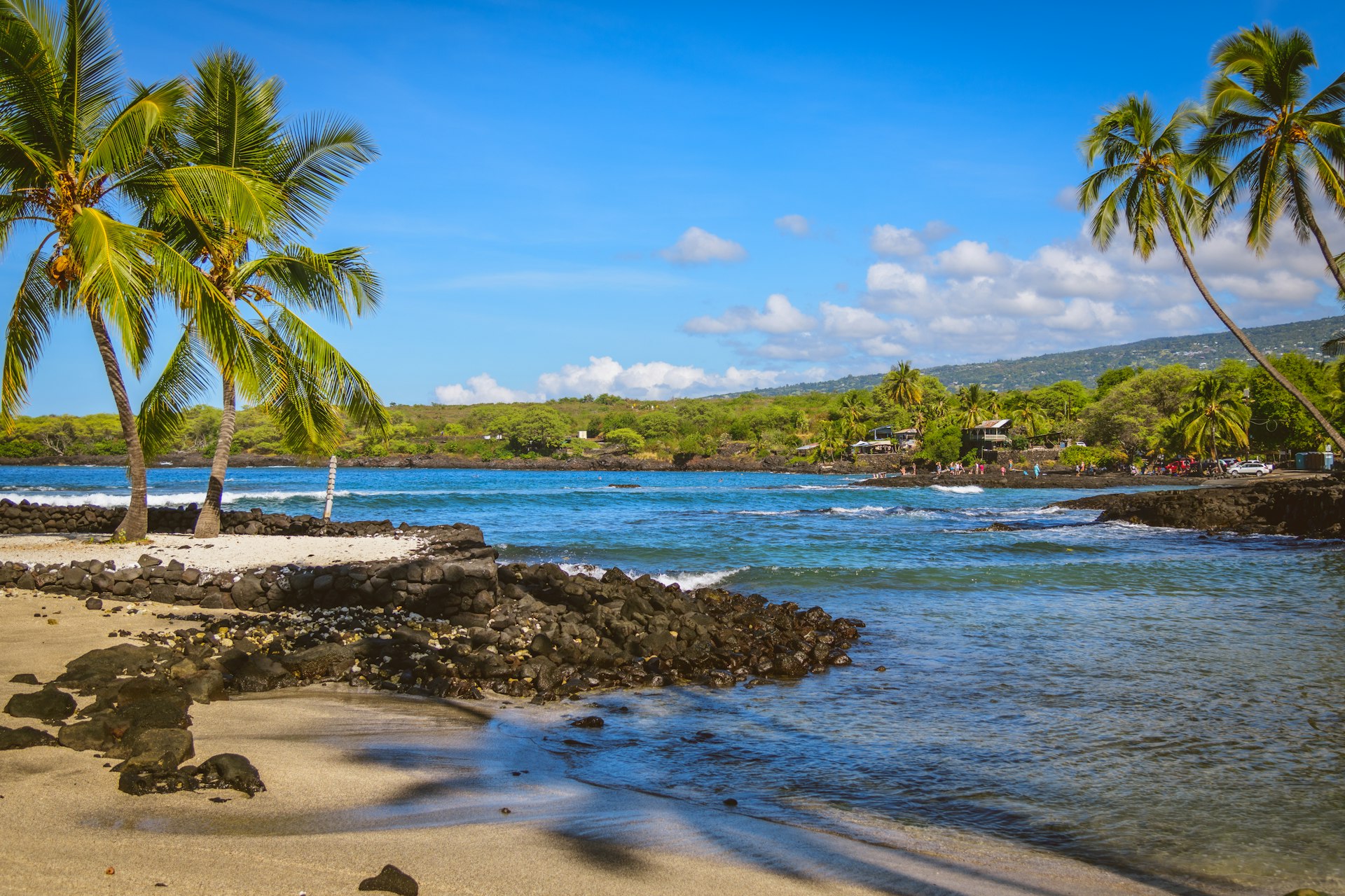
Big Island coffee farms with volcanic mountains in background

The Big Island isn't just big in size – it's also the heavyweight champion of Hawaiian coffee production, accounting for about 95% of the state's coffee. What's fascinating is how different areas of the same island can produce such varied flavors.

Coffee Regions:

  • Kona - The most famous Hawaiian coffee region, this narrow strip on the western slopes has been growing coffee since the 1820s. Its unique cloud cover pattern creates natural shade that develops complex flavors.
  • Ka'u - This rising star on Mauna Loa's southern slopes benefits from higher elevations than Kona, often producing coffee with bright, wine-like qualities.
  • Hamakua - Located on the northeastern coast in one of Hawaii's wettest regions, where abundant rainfall and rich soil create ideal growing conditions.
  • Puna - Southeast of Hilo, this newer coffee region features lower elevations and varied microclimates where farmers are still experimenting.

Explore Big Island coffee shops and farms →

Maui: The Valley Isle's Hidden Gems

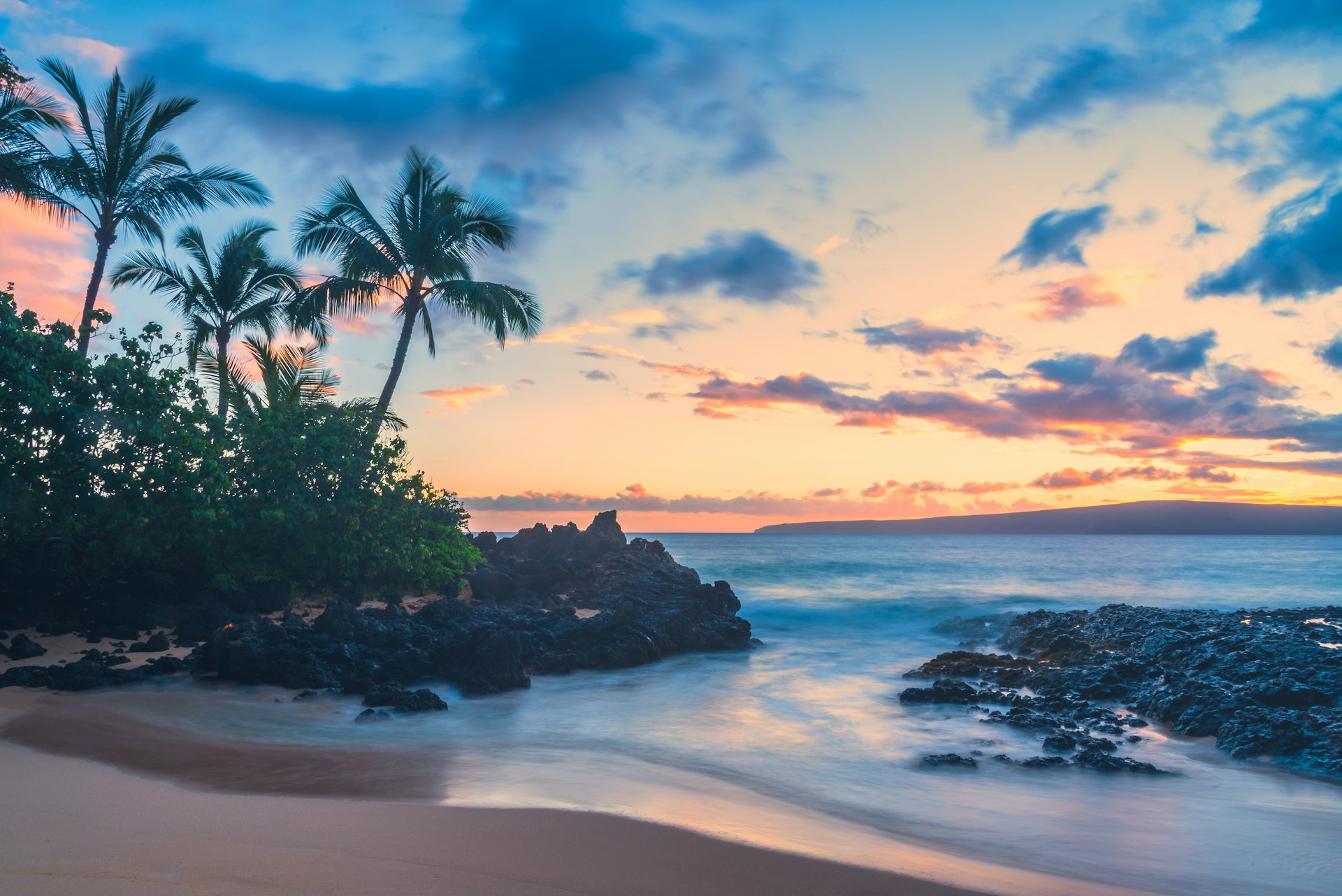
Maui coffee plantation with ocean views

Maui might be famous for its beaches, but its coffee deserves attention too. The island's diverse geography creates multiple growing regions, each with unique characteristics.

Coffee Regions:

  • Kula - High on Haleakala's slopes (up to 4,000 feet), making it one of Hawaii's highest coffee regions. Cooler temperatures result in denser beans with bright, complex flavors.
  • Ka'anapali - One of Maui's pioneer coffee areas, combining history with innovation. Consistent weather patterns make it ideal for experimentation.
  • Kipahulu - On Maui's remote eastern coast, this frontier region offers pristine growing conditions that farmers are just beginning to explore.

Explore Maui coffee shops and farms →

Kauai: The Garden Isle's Coffee

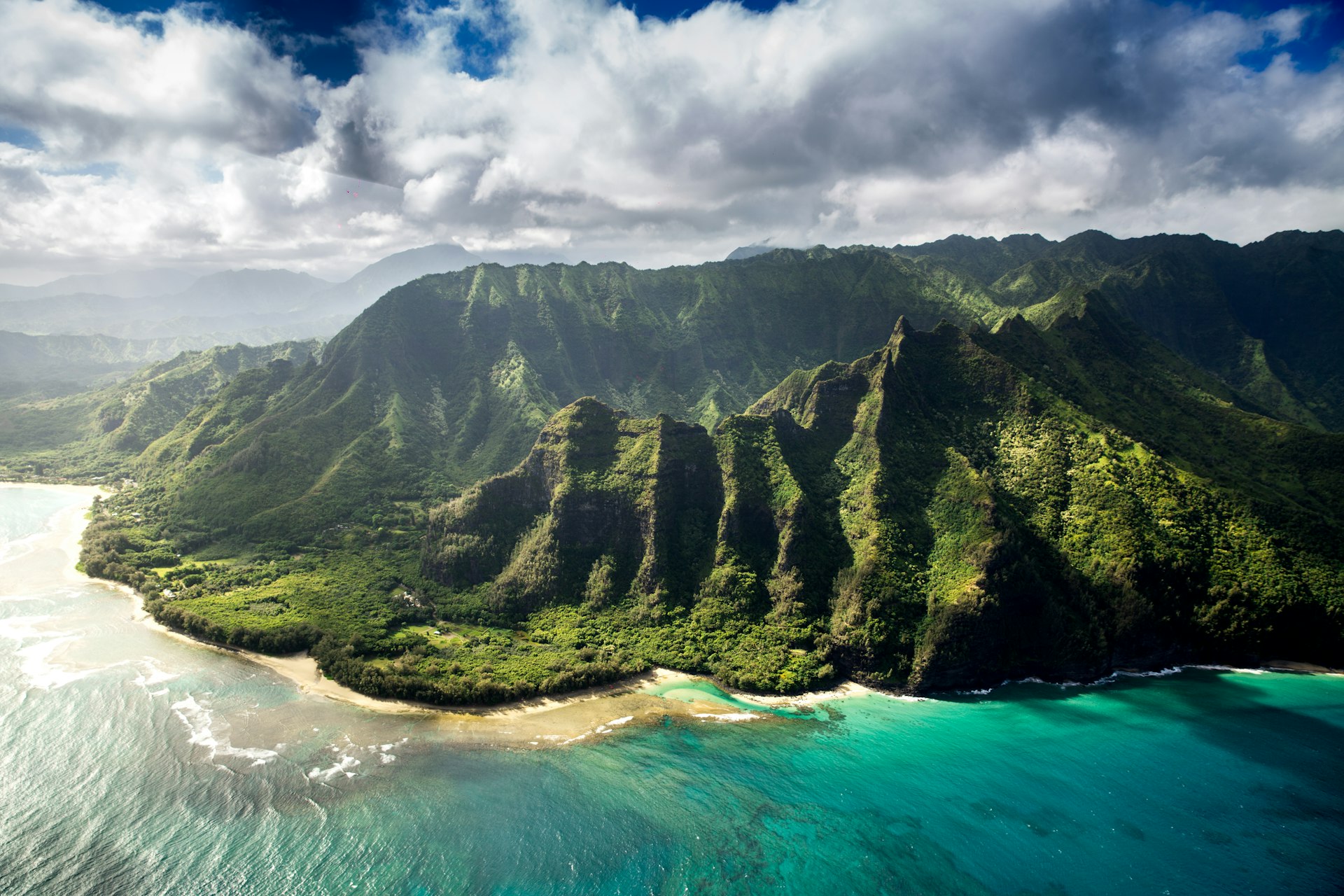
Kauai coffee estate aerial view

Kauai's coffee industry looks different from other islands – it's home to one of the largest coffee farms in the United States.

Coffee Region:

  • Eleele - Most of Kauai's coffee comes from this southern coastal area. The relatively flat terrain allows for more mechanized farming, though many smaller farms still hand-pick for quality.

Explore Kauai coffee shops and farms →

Oahu: Urban Meets Agriculture

Oahu North Shore coffee farm with red dirt

You might not expect to find coffee farms on Hawaii's most populated island, but Oahu has its own coffee story to tell.

Coffee Region:

  • Waialua - Better known for surfing beaches, Oahu's North Shore produces excellent coffee. The distinctive red dirt (rich in iron oxide) and consistent trade winds create unique growing conditions that surprise visitors who come for the waves.

Explore Oahu coffee shops and farms →

Molokai: The Friendly Isle's Best-Kept Secret

Molokai small coffee farm in uplands

Molokai, with its small population and rural character, produces limited quantities of coffee that rarely leave the islands.

Coffee Region:

  • Kualapu'u - In the island's cool uplands, small coffee farms focus on quality over quantity. The area's red dirt and elevation create exceptional growing conditions, though you'll need to seek it out.

Explore Molokai coffee shops and farms →

How Geography Shapes Flavor

Elevation chart showing coffee flavor profiles

Each region's unique combination of elevation, rainfall, soil type, and temperature creates what coffee professionals call "terroir" – the taste of place. While individual farms and processing methods create variation, regional patterns do emerge:

  • Lower elevations (sea level to 1,000 feet): Fuller body, lower acidity, nutty and chocolate notes
  • Medium elevations (1,000-2,500 feet): Balanced cups with medium acidity and diverse flavor profiles
  • Higher elevations (2,500+ feet): Brighter acidity, complex flavors, floral and fruity notes

Beyond Geography: Other Factors That Matter

While region provides the foundation, several other factors influence your cup:

Variety: Different coffee plant varieties thrive in different regions. The classic Typica variety dominates, but newer varieties like Catuai and Bourbon are gaining ground.

Processing: How farmers remove the cherry from the bean affects flavor. Most Hawaiian coffee is "washed" (fermented and washed clean), creating clean, bright profiles.

Roasting: Local roasters often adjust their approach based on the region's characteristics, highlighting each area's strengths.

Finding Your Favorite Region

Coffee cupping session with multiple samples

The best way to understand Hawaiian coffee regions is to taste them side by side. Here's how to explore:

  1. Start with single-origin coffees labeled with their specific region
  2. Take notes on what you like and dislike
  3. Try the same region from different farms to understand the range
  4. Compare regions using the same brewing method

For the best experience with any Hawaiian coffee, check out our guide on How to Brew the Perfect Cup of Hawaii-Grown Coffee to ensure you're getting the most from these special beans.

The Bigger Picture

Understanding Hawaii's coffee regions helps you appreciate the diversity within this small state. Each cup represents not just a place, but also the farmers who tend these lands, many of them multi-generational families who've perfected their craft over decades.

When you choose coffee from a specific Hawaiian region, you're supporting agricultural preservation in a state where development pressure is constant. You're also participating in a story that began over 200 years ago when the first coffee plants arrived in the islands.

Looking Forward

Hawaii's coffee industry continues to evolve. Climate change presents challenges, but it's also pushing farmers to innovate with new varieties and techniques. Younger farmers are bringing fresh perspectives while respecting traditional methods. New regions are being explored, and established ones are refining their approaches.

The next time you enjoy Hawaiian coffee, take a moment to consider its origin. Whether it's from the famous slopes of Kona, the emerging fields of Ka'u, or the hidden farms of Molokai, each cup carries with it the essence of its island home. That's the magic of Hawaiian coffee – it's not just about caffeine, it's about connection to place, people, and the aloha spirit that makes these islands special.